


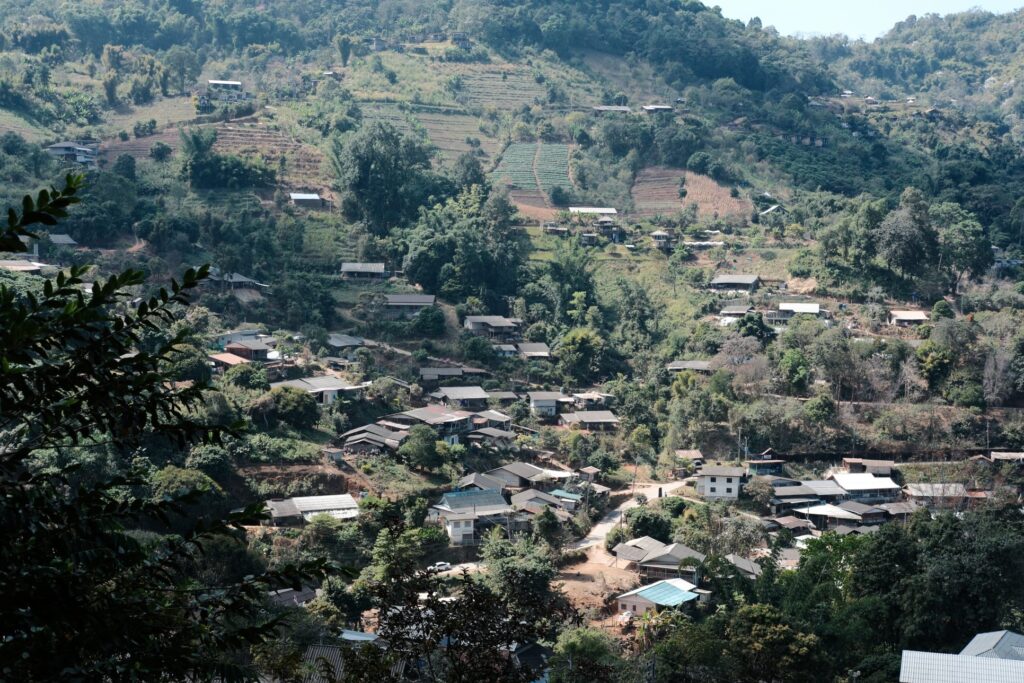
The CHAZEP-SEA project (Co-development of heritage-sensitive approaches to prevent the emergence of zoonoses in South-East Asia) is a collective project funded by the ANRS. It aims to explore the integration of everyday environmental heritage into One Health strategies for the prevention of zoonotic respiratory infections, such as influenza viruses and coronaviruses, in rural areas of South-East Asia.
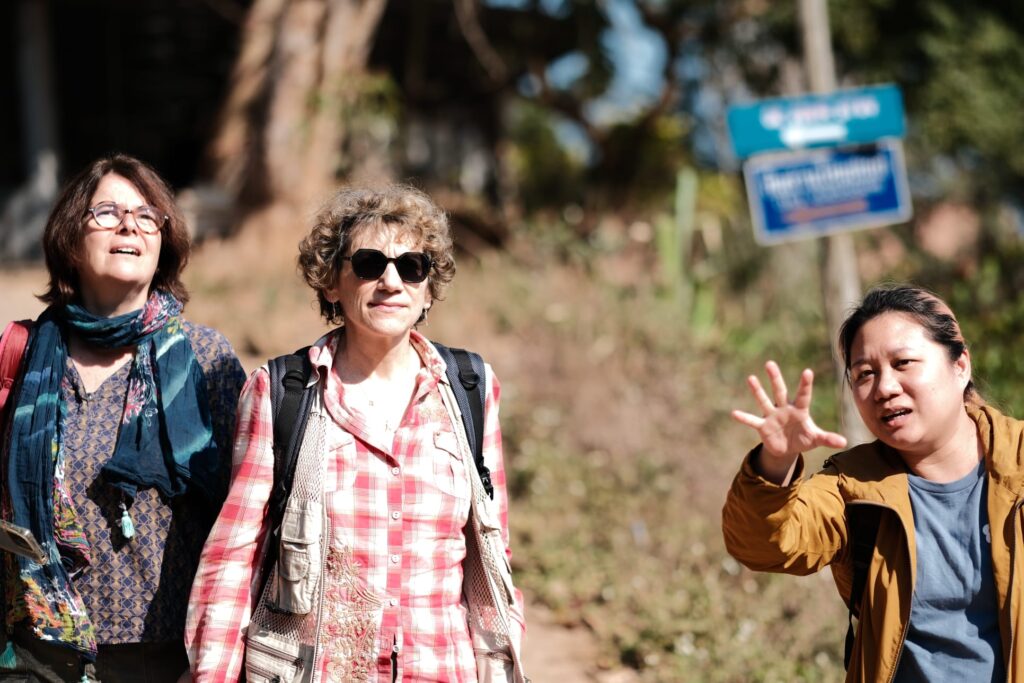
In response to the COVID-19 pandemic, this project focuses on high-risk areas such as South-East Asia, particularly Thailand and Laos, where local cultural practices and the interaction between humans, animals and the environment play a crucial role in the emergence and transmission of zoonotic diseases.
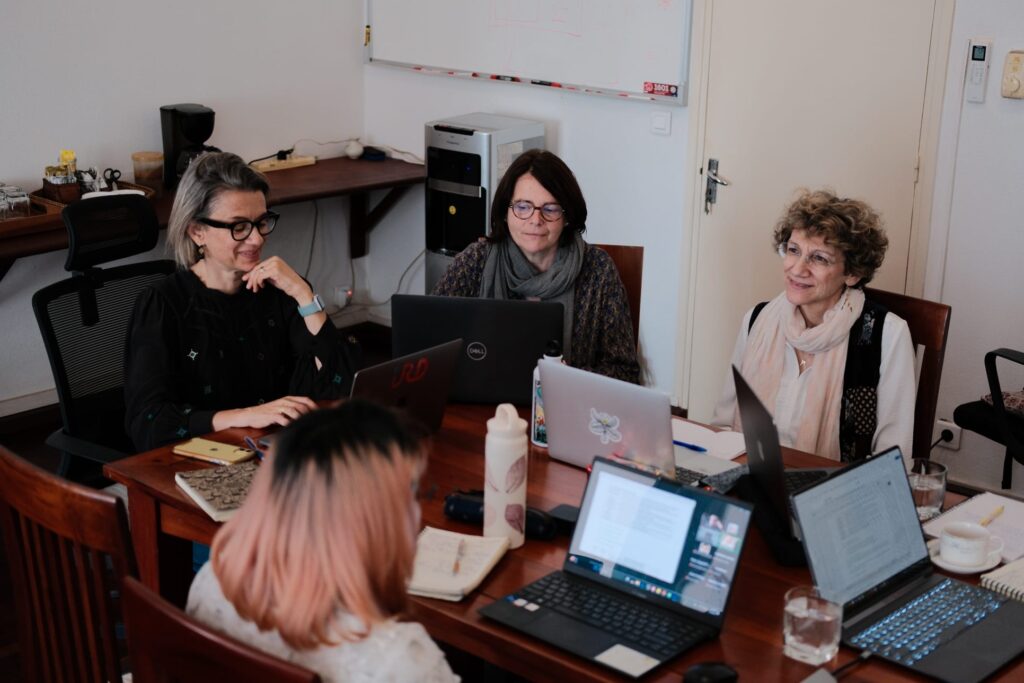
The central scientific challenge aims to better understand the social factors and local practices that influence these interactions within the framework of the One Health approach. The project is based on the idea that everyday environmental heritage, defined by the communities themselves through artefacts, spaces and practices, can enrich this understanding and contribute to more tailored and participatory strategies.
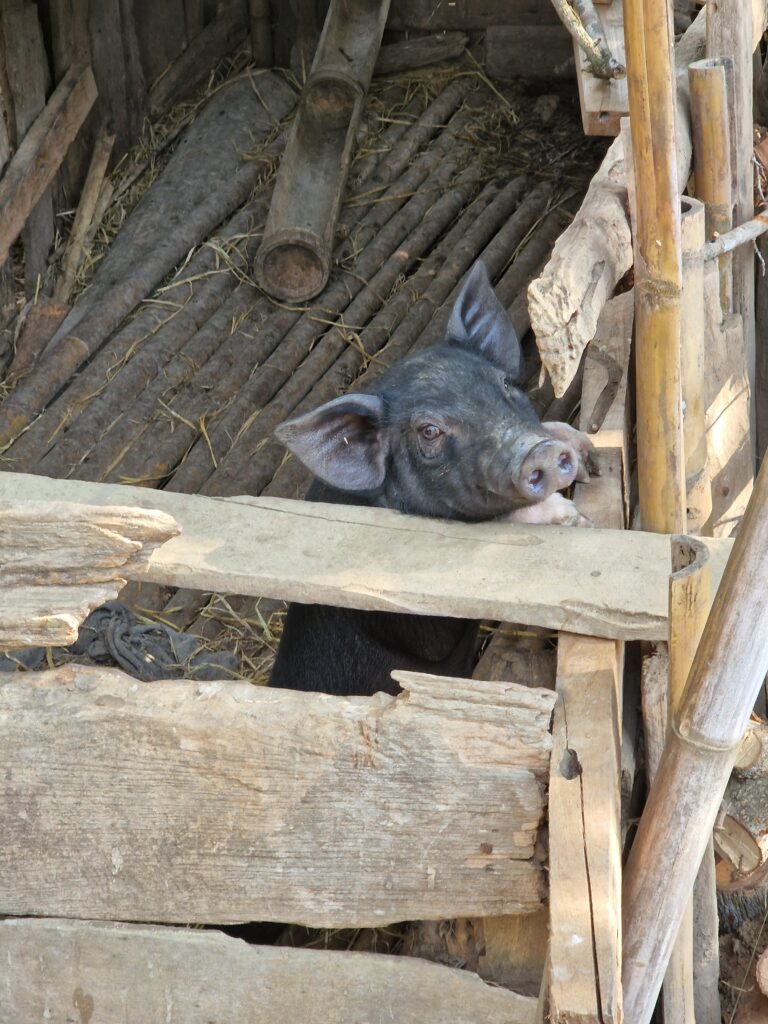
The main objectives are to co-develop heritage-sensitive approaches to reduce the risks of the emergence and transmission of respiratory zoonoses, by collaborating directly with local communities in two national parks: in Thailand and Laos. This project also aims to develop a conceptual and methodological framework that integrates environmental heritage into the One Health approach to improve the management of health risks.
Photo credit: Marco Haenssgen and Tania Angeloff 2026
The expected outcomes include concrete interventions in consultation with local communities, in order to better understand local One Health systems and intervene more effectively. This project should also provide a framework for integrating environmental heritage into international public health policies, thereby strengthening the resilience of ecosystems and communities in the face of zoonoses.