


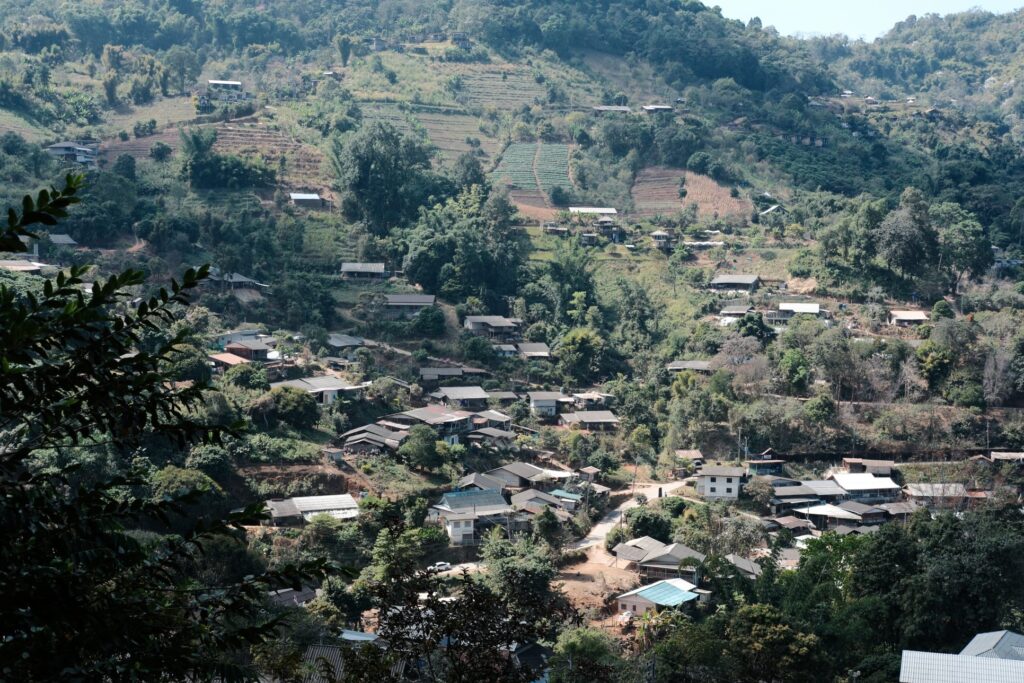
Le projet CHAZEP-SEA (Co-développement d’approches sensibles au patrimoine pour la prévention de l’émergence de zoonoses en Asie du Sud-Est) est un projet collectif financé par l’ANRS vise à explorer l’intégration du patrimoine ordinaire environnemental dans les stratégies One Health pour la prévention des infections respiratoires zoonotiques, telles que les virus de la grippe et les coronavirus, dans des zones rurales du sud-est asiatique.
En réponse à la pandémie de COVID-19, ce projet se concentre sur les zones à haut risque comme l’Asie du Sud-Est, en particulier sur la Thaïlande et le Laos, où les pratiques culturelles locales et l’interaction entre humains, animaux et environnement jouent un rôle crucial dans l’émergence et la transmission des maladies zoonotiques.

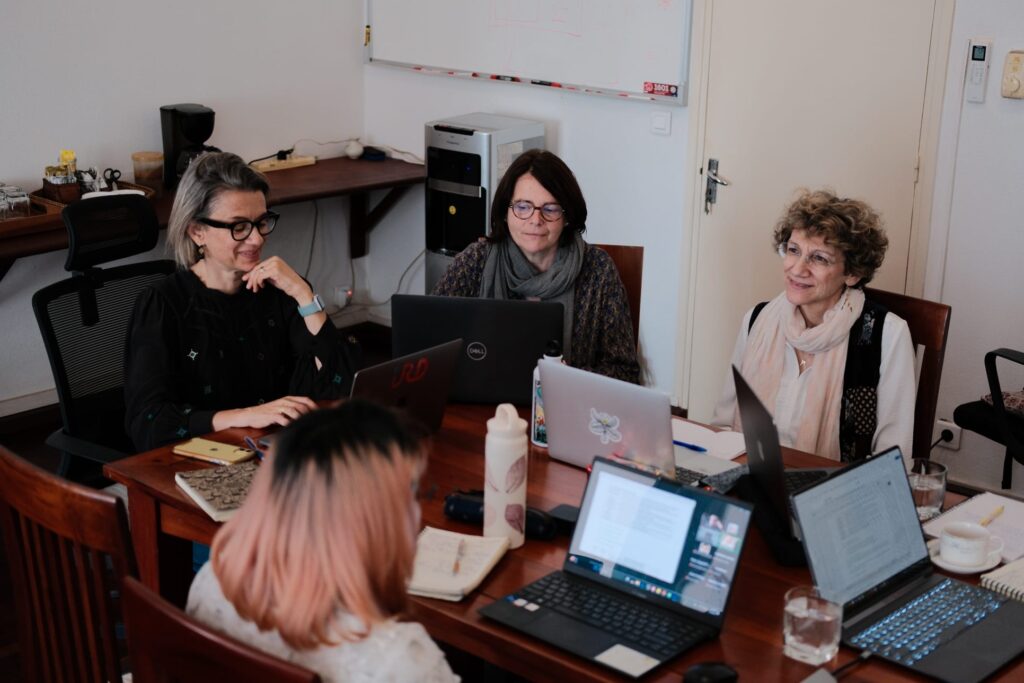
Le défi scientifique central vise à mieux comprendre les facteurs sociaux et les pratiques locales qui influencent ces interactions dans le cadre de l’approche One Health. Le projet s’appuie sur l’idée que le patrimoine ordinaire environnemental, défini par les communautés elles-mêmes à travers des artefacts, des espaces et des pratiques, peut enrichir cette compréhension et contribuer à des stratégies plus adaptées et participatives.
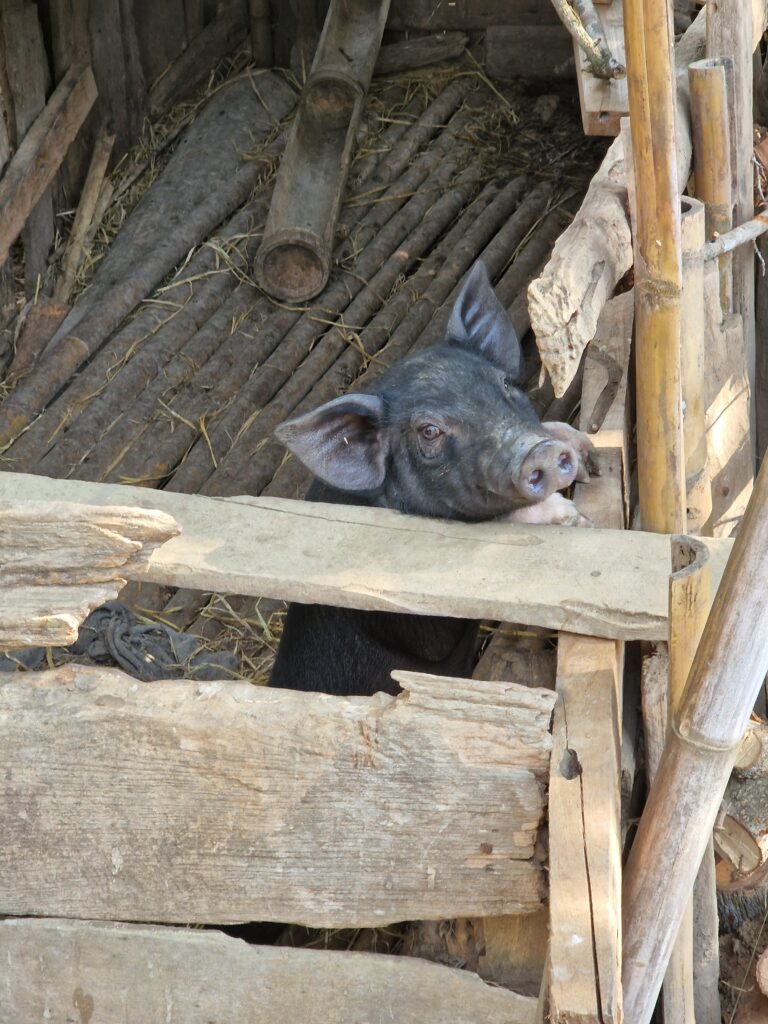
Les objectifs principaux sont de codévelopper des approches sensibles au patrimoine pour réduire les risques d’émergence et de transmission des zoonoses respiratoires, en collaborant directement avec les communautés locales dans deux parcs nationaux : en Thaïlande et au Laos. Ce projet vise également à développer un cadre conceptuel et méthodologique intégrant le patrimoine environnemental dans l’approche One Health pour une meilleure gestion des risques sanitaires.
crédit Photo : Marco Haenssgen et Tania Angeloff 2026
Parmi les résultats attendus figurent des actions concrètes menées en concertation avec les communautés locales, afin de mieux comprendre les systèmes « One Health » locaux et d’intervenir plus efficacement. Ce projet devrait également fournir un cadre permettant d’intégrer le patrimoine environnemental dans les politiques internationales de santé publique, renforçant ainsi la résilience des écosystèmes et des communautés face aux zoonoses.